
Lower heating and cooling costs
Ceiling batts with R4.0 to R6.0 reduce winter heat loss through the roof space, the main escape path in uninsulated homes. Walls and floors add further resistance to heat flow.
Hadfield
Bulk insulation traps still air to slow heat flow through ceilings, walls and floors. Expert Insulation Melbourne installs glasswool, polyester and rockwool batts in Hadfield homes to cut winter heat loss and summer heat gain.
Share your details and Expert Insulation Melbourne will contact you about Bulk Insulation in Hadfield.
Bulk insulation uses batts or rolls of glasswool, polyester or rockwool to resist heat flow by trapping still air. In Hadfield’s older brick and weatherboard homes, it is fitted between ceiling joists, inside wall cavities during renovations, and under suspended timber floors to stop draughts and cold floors.
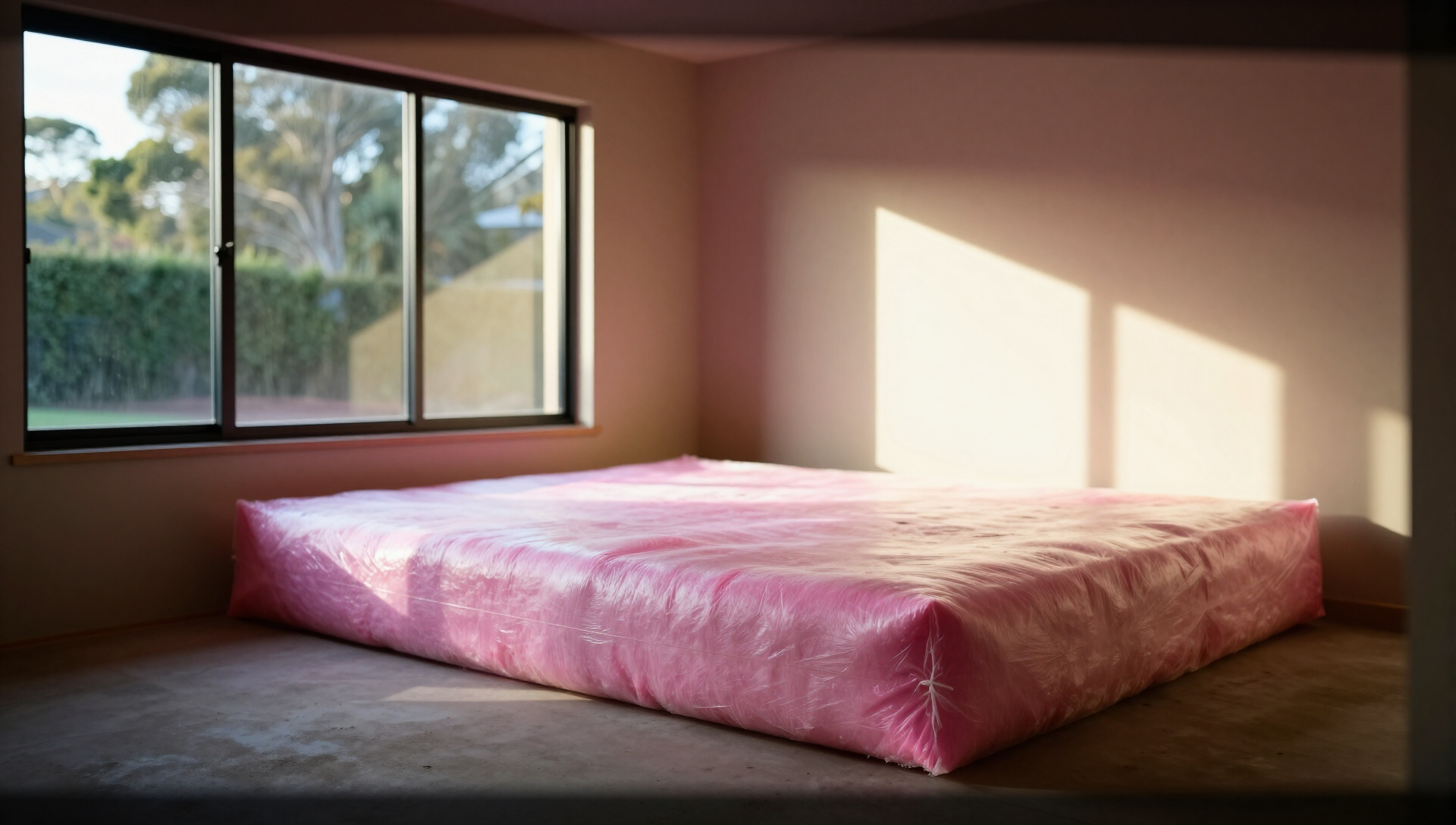
Hadfield’s mix of interwar bungalows and postwar brick homes often lacks adequate insulation, leading to high heating costs in winter and overheating in summer. Bulk insulation addresses these issues directly.
Ceiling batts with R4.0 to R6.0 reduce winter heat loss through the roof space, the main escape path in uninsulated homes. Walls and floors add further resistance to heat flow.
Bulk insulation smooths out Melbourne’s temperature swings, keeping living areas warmer in winter and cooler in summer without overworking heaters and air conditioners.
Underfloor batts fitted between floor joists in the subfloor stop cold air rising through gaps in timber floors, a common issue in Hadfield’s suspended homes.
Dense batts in internal walls dampen noise between rooms, useful in terraces and semi-detached homes where sound travels easily through thin partitions.
Modern batts resist moisture and do not sag or compress over time. Ceiling dust removal before installation prevents allergens circulating through ducts and downlights.
Unlike reflective foil alone, bulk insulation maintains its R-value as long as it stays dry and undamaged, providing reliable thermal resistance for decades.
Installation starts with a roof space and subfloor inspection to check access, existing insulation and any obstacles like cables or downlights. We then measure the areas and recommend the right batts and R-values for your home.
We access the roof space via the manhole and the subfloor through vents or trapdoors to assess joist spacing, clearances and existing materials. If old batts may contain asbestos, work stops until a qualified assessor inspects them.
Built-up dust and debris are vacuumed from the roof space to improve air quality and ensure new batts sit flat. We also check for and seal gaps around pipes and flues to prevent air leakage.
Batts are cut to fit snugly between ceiling joists, wall studs or floor joists without compressing, which would reduce their R-value. We maintain required clearances around downlights and flues for safety.
We verify all areas are fully covered, batts are not compressed or gapped, and the roof space or subfloor is left clean. Access points are sealed and any removed manhole covers are refitted.
Hadfield’s interwar and postwar homes often have uninsulated ceilings and suspended timber floors, leading to cold winters and hot summers. Bulk insulation in ceilings, walls and underfloors addresses these gaps, improving comfort and reducing energy use in a suburb exposed to Melbourne’s temperature extremes.
Glasswool, polyester and rockwool batts for ceilings, walls and floors in Hadfield.
Common questions about bulk insulation for Hadfield homes, from R-values to installation access and cost factors.
Bulk insulation in Hadfield slows heat flow by trapping still air within glasswool, polyester or rockwool batts. In ceilings, typical R-values range from R4.0 to R6.0 to counter winter heat loss through the roof space. Walls commonly use R2.0 to R2.7 batts, while underfloor applications suit R1.5 to R2.5 for suspended timber floors.
Hadfield’s older brick and weatherboard homes benefit most from ceiling and underfloor insulation, as these areas are the primary paths for heat loss and gain. Wall insulation is added during renovations when stud frames are exposed, or via cavity filling for brick veneer. Access, roof pitch and existing materials affect installation time and cost.
Signs your Hadfield home needs bulk insulation include cold floors in winter, rooms that are hard to heat or cool, and high energy bills. Old, thin or compressed batts should be topped up or replaced to restore their thermal resistance. Always maintain clearances around downlights and flues to meet safety standards.
Call Expert Insulation Melbourne on 0399695249 or email info@expertinsulationmelbourne. com. au for a quote on bulk insulation for your Hadfield home.